
Burn Meme Coin: Latest Crypto Token Reduction Updates

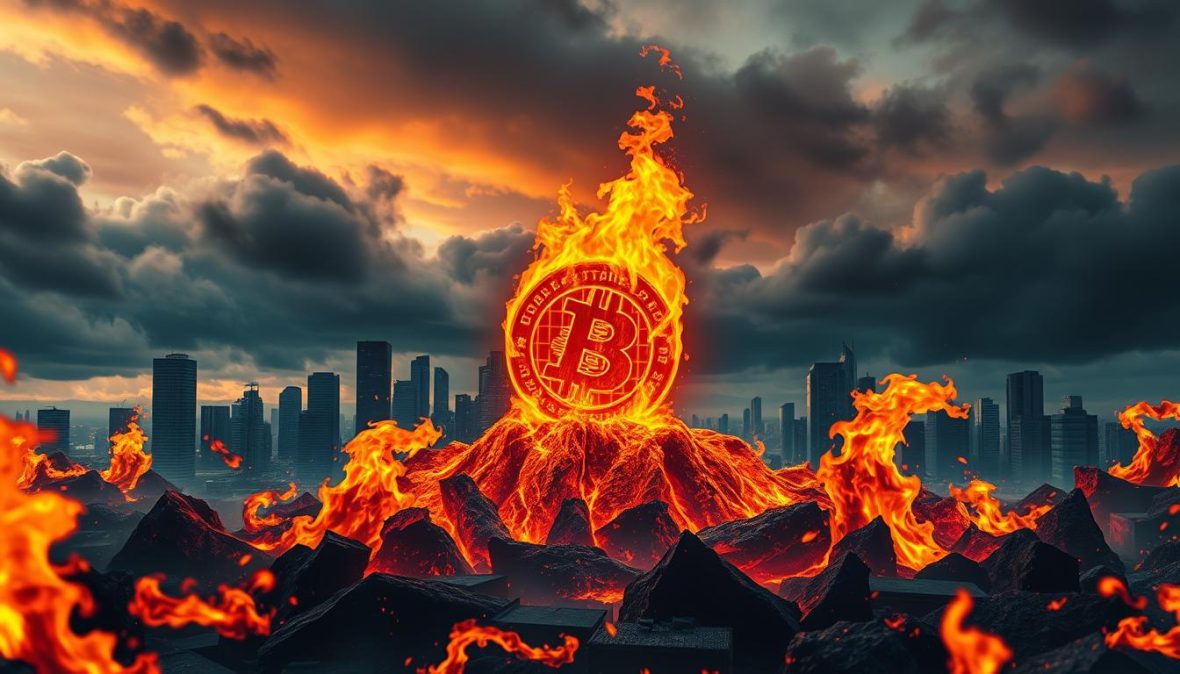
Meme coins blend internet culture with blockchain technology, and token burning has become one of the most discussed ways these projects manage their supply. Community-driven tokens such as Dogecoin and Shiba Inu built their growth on strong grassroots support, and many meme projects now use deliberate token reduction to create scarcity and signal long-term commitment to holders.
What Is a Burn Meme Coin?
A burn meme coin is a meme-themed cryptocurrency that reduces its total supply over time through token burning. Burning removes coins from circulation, shrinking the cryptocurrency’s circulating supply, with the hope that greater scarcity will support demand and, ultimately, value. For meme tokens, whose fortunes often rest on community sentiment rather than underlying cash flows, a visible and verifiable burn programme is a way to formalise token economics on-chain.
These assets remain speculative. Burning changes the supply side of the equation, but it does not change what a token does, who uses it, or how deep its markets are. Understanding both sides of that trade-off is the starting point for evaluating any deflationary meme coin.
How Token Burning Works
Token burning permanently removes tokens from circulation by sending them to an irrecoverable address or by running a dedicated burn function. On networks such as Solana, burning permanently decreases a token account balance and reduces the mint’s total supply by the same amount. Once the burn transaction is executed, the total supply is updated to reflect the reduced amount, and the burned tokens become inaccessible forever.
Burns come in two broad forms. Manual burns are executed by the project team at intervals it chooses. Automatic burns happen programmatically — for example, alongside transactions — and tend to be more consistent and transparent, because anyone can verify them on-chain.
Why Crypto Projects Burn Tokens
Projects destroy their own tokens for a range of strategic reasons, including supporting long-term price growth, reducing price volatility, and correcting supply errors. Within the meme coin world, common motivations include:
- Reducing total token supply and creating scarcity
- Potentially increasing the value of remaining tokens
- Demonstrating the team’s commitment to its token economics
- Managing inflation and providing transparency to investors
Do Token Burns Actually Increase Value?
Not automatically. Token burns permanently remove coins from circulation, but supply cuts alone don’t guarantee price gains. The eventual impact depends on market sentiment, the project’s fundamentals and the wider crypto market. A burn may generate short-term excitement, but long-term value still comes down to whether people actually want the token — and community support remains a decisive factor for meme coins in particular.
Real-World Examples of Token Reduction
The best-known burn programme belongs to BNB, which is designed to systematically reduce the total supply of BNB until it reaches 100 million tokens, with the aim of increasing the token’s long-term value. In the meme and community-token space, Terra Classic (LUNC) has used significant token burns to reduce supply, while tokens such as Shiba Inu and Pepe Coin have leaned on token reduction as a way to influence market dynamics and keep their communities engaged.
How to Track Token Burns
Because burns live on-chain, you can verify them yourself rather than relying on announcements. Blockchain explorers are the primary tool: Etherscan for the Ethereum network, BscScan for Binance Smart Chain activity, and Solscan for Solana token movements all let you confirm burn transactions, inspect transaction histories and follow wallet movements.
Alongside explorers, tracking and analytics platforms such as CoinMarketCap, CoinGecko, Glassnode, CryptoCompare and Token Terminal provide market data and on-chain metrics that put a burn into context. A sensible habit is to cross-reference several data sources before drawing conclusions — conditions in this market move quickly, and a single dashboard rarely tells the whole story.
How to Participate in Burn Events
Some burns happen automatically, with no action required from holders. Others invite participation — for example, by holding specific tokens or taking part in platform activities. If you want to get involved:
- Research the specific project and confirm exactly how its burn mechanism works
- Verify that your wallet (such as MetaMask or Trust Wallet) is compatible with the relevant blockchain
- Check any minimum token requirements before committing
- Follow official project channels, community forums and social media for burn announcements
Always verify event details independently and understand the risks before joining any burn event, and never invest more than you can afford to lose in speculative cryptocurrency activity.
Risks to Keep in Mind
Burn meme coins are high-risk, highly volatile and speculative. They also sit in a regulatory gray area: they are not explicitly illegal, but they lack comprehensive oversight, and holders should be aware of potential legal and tax implications. Before buying any deflationary meme token, carry out thorough due diligence: study the project’s tokenomics and burning mechanism, assess the team’s credibility, look at genuine community engagement and trading volume, and weigh the project’s long-term vision.
Frequently Asked Questions
What exactly is a burn meme coin?
A meme-themed cryptocurrency that reduces its total supply over time through token burning, using a deflationary model to create scarcity.
Where do burned tokens go?
They are sent to a dead wallet — an address nobody can access — which removes them from circulation permanently.
What is the difference between manual and automatic burns?
Manual burns are executed by project teams at specific intervals, while automatic burns occur programmatically with each transaction. Automatic burns are typically more consistent and transparent.
Is token burning guaranteed to increase a coin’s value?
No. Burning creates scarcity, but the price impact depends on market sentiment, project fundamentals and overall crypto market conditions.
Are burn meme coins regulated?
They exist in a regulatory gray area. They are not explicitly illegal, but they lack comprehensive oversight, so consider the potential legal and tax implications before investing.
Final Thoughts
Token reduction has become a core part of how meme coin projects manage their economics, and burn meme coins sit squarely at the intersection of internet culture and deflationary design. The mechanics are easy to verify and easy to understand; the harder judgement is whether a burn reflects a healthy, engaged project or is simply marketing. Verify burns on-chain, weigh community engagement alongside fundamentals, and treat every meme coin position as the speculative bet it is.
