
The Truth About the “Are You Sure About That” Meme Coin

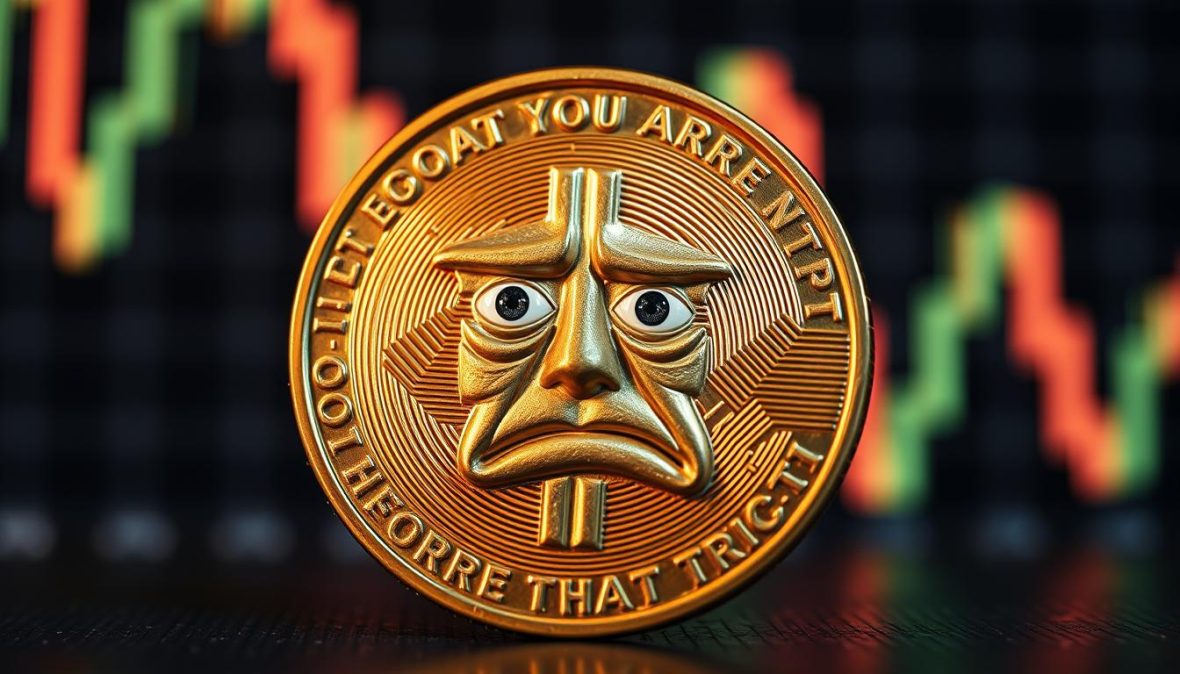
The “Are You Sure About That” meme coin turned a viral wrestling catchphrase into a tradable digital asset. Like every meme coin, it blends internet humor with blockchain technology, and it raises the very question its name poses: should you really put money into a joke? This guide explains where the coin came from, how the wider meme coin market behaves, and the risks worth weighing before you buy anything.
What Is a Meme Coin?
A meme coin is a cryptocurrency that originated from an internet meme or has some other humorous characteristic, as Wikipedia’s definition puts it. Schwab’s investor education describes them the same way: cryptocurrencies born from internet jokes and viral trends. Unlike Bitcoin or Ethereum, meme coins typically offer little technological innovation and have few practical uses. Their value comes from community sentiment, social media engagement, and speculation rather than fundamentals.
Well-known examples include:
- Dogecoin — the original meme coin, inspired by a Shiba Inu dog
- Shiba Inu — a Dogecoin competitor with massive community support
- SafeMoon — another token that spread virally
Where the “Are You Sure About That” Coin Came From
The underlying meme comes from a WWE wrestling moment that spread rapidly across social media before a group of crypto enthusiasts and meme fans turned the catchphrase into a token, combining humor with blockchain technology. The coin’s creators remain somewhat mysterious, and its launch drew a mix of curiosity, skepticism, and excitement from traders and meme fans alike.
That anonymity matters. Team transparency is one of the standard checks investors use to assess a coin’s credibility, so an unidentified development team should be treated as a risk signal rather than a quirky backstory.
How the Wider Meme Coin Market Behaves
Meme coins are now minted at an industrial pace. PBS NewsHour reports that more than 40,000 meme coins are created online per day, with Dogecoin remaining the most valuable of them. Volatility is the category’s defining feature: Forbes, citing BDC, reports that meme coins are 50 times more volatile than Bitcoin and that roughly 40% of projects are pump-and-dump schemes.
Compared with established cryptocurrencies, meme coins tend to have smaller market capitalizations, far sharper price swings, and younger, more tech-savvy investor bases. Prices can move dramatically within hours, often on nothing more than a shift in social media sentiment.
The Main Risks
Volatility and market swings
Investopedia warns that meme coins are highly speculative, driven by social media hype rather than intrinsic value, and that their extreme volatility can mean heavy losses. The swings are fueled by rapid changes in social sentiment, limited market capitalization, speculative trading patterns, and a lack of intrinsic value.
Regulation
Meme coins sit in a complex and shifting regulatory landscape. Sudden policy changes can devalue a token immediately, legal restrictions can limit where it trades, and tax treatment can create unexpected financial obligations. The SEC and CFTC websites publish current guidelines and risk assessments, and they are worth bookmarking so you notice regulatory shifts early.
Security
The decentralized nature of meme coins also opens the door to scams. Common threats include phishing schemes, fake wallet applications, pump-and-dump manipulation, and smart contract exploits. Protecting your assets requires constant education and proactive risk management.
How to Evaluate a Meme Coin Before Buying
Before committing funds to this or any meme coin, work through a consistent checklist:
- Check the development team’s transparency
- Verify the project’s whitepaper and roadmap
- Investigate community engagement
- Analyze trading volume and market capitalization
Several platforms make that research easier: CoinMarketCap for comprehensive market data, TradingView for advanced charting, and CoinGecko for real-time cryptocurrency statistics. Cryptocurrency forums, technical analysis websites, and social media communities add useful context. No single tool guarantees success in a market this volatile, so treat continuous learning as part of the strategy.
If You Still Decide to Buy
- Choose a reputable cryptocurrency exchange that lists the token.
- Create and verify your account, completing any KYC checks.
- Link a payment method and transfer funds.
- Search for the specific meme coin and execute the trade.
Availability can change quickly in the crypto market, so confirm the listing before funding an account. For storage, wallets such as MetaMask, Trust Wallet, Coinbase Wallet, and MyEtherWallet support many meme coins, and hardware wallets like Ledger and Trezor offer support as well — but always check specific token compatibility before transferring funds, because support varies between platforms.
Whatever you buy, keep meme coins a small slice of a diversified portfolio and never invest more than you can afford to lose. Social media buzz, trading volume, and community engagement are the signals most worth watching, since information moves faster than markets in the crypto world.
Frequently Asked Questions
Is the “Are You Sure About That” meme coin legitimate?
Legitimacy is hard to establish for any meme coin, and this one’s creators remain somewhat mysterious. Apply the checklist above — team transparency, whitepaper, community engagement, trading volume — and approach it with extreme caution.
Can meme coins deliver significant returns?
Some meme coins have yielded huge returns for early investors, but that outcome is extremely rare and many investors lose money. Success requires timing, community engagement, and market understanding, so treat any meme coin position as a high-risk venture rather than a reliable strategy.
How do meme coins differ from traditional cryptocurrencies?
They typically lack technological innovation and practical use, relying instead on social media hype and internet culture. Their prices swing far harder than those of established cryptocurrencies, and they are often created as experimental or satirical projects.
